news
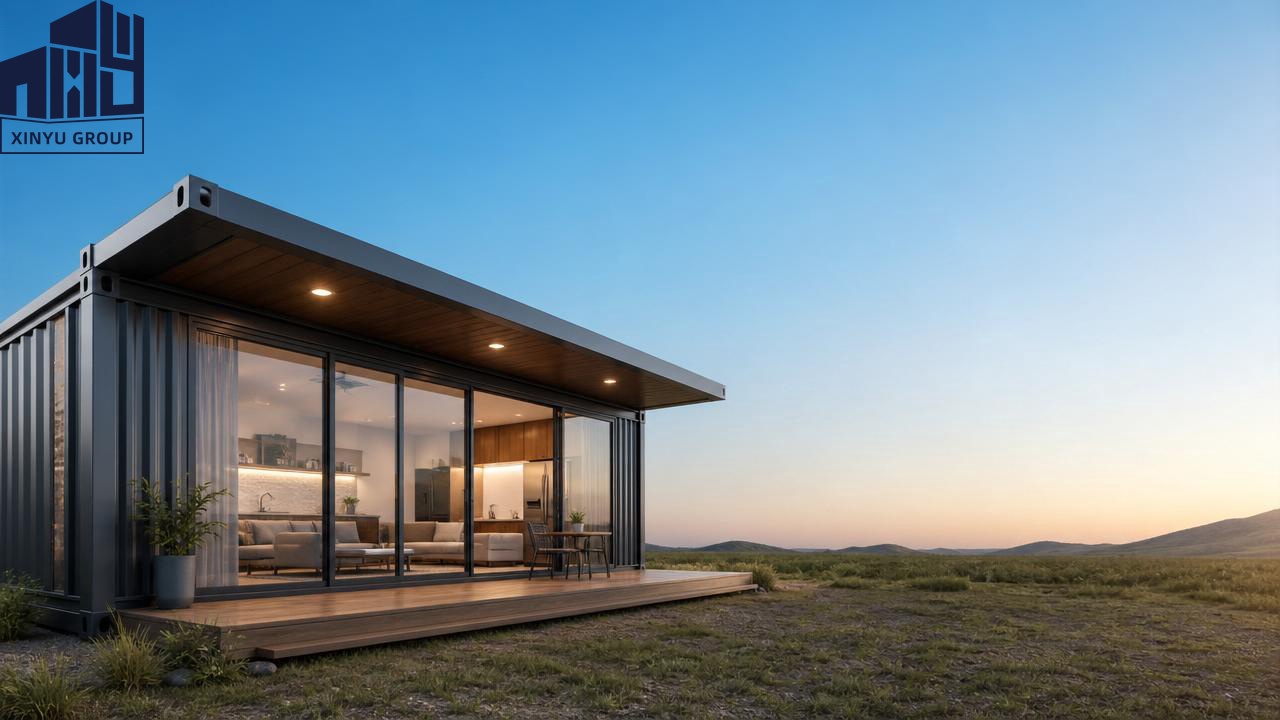
A 40ft container home can be a smart solution for modern living, but is it truly practical for daily life? Many buyers ask, “Can you live in a 40ft container home year round?” The answer depends on design, insulation, layout, and local climate. This article explores the real comfort, functionality, and long-term value of choosing a 40ft container home for everyday living.
What makes a 40ft container home practical for everyday living?
A 40ft container home is practical when it works like a real house rather than a basic metal box. That means proper thermal insulation, weather sealing, ventilation, plumbing, electrical planning, and a layout that supports routine activities.
For many buyers, the real question is not simply, “Can you live in a 40ft container home year round?” It is whether the home can stay comfortable in summer and winter, offer enough storage, and meet local building rules.
A standard 40ft container usually provides enough interior length for a compact one-bedroom layout, a studio arrangement, or a small two-zone living plan. With smart design, it can support full-time occupancy for singles, couples, remote workers, or small families.
- It uses a modular steel structure that can be transported, installed, and expanded more easily than many traditional small houses.
- It can be customized for off-grid, temporary, permanent, or mixed-use residential needs.
- It often reduces build time when compared with fully site-built construction, especially when much of the interior work is factory completed.
However, practicality depends on execution. A poorly modified unit may suffer from condensation, limited daylight, awkward circulation, and high heating or cooling costs. A well-designed one can feel efficient, durable, and surprisingly comfortable.
Who is a 40ft container home best suited for?
This housing format usually fits buyers who value compact living, fast deployment, and predictable manufacturing. It is especially relevant where land is available but conventional construction is slow, expensive, or difficult to coordinate.
- Individuals seeking a primary residence with lower footprint and simpler maintenance.
- Property owners adding a guest house, rental unit, or backyard home.
- Developers needing modular housing for remote or fast-moving projects.
- Buyers comparing compact prefab homes, tiny homes, and converted shipping containers.
Can you live in a 40ft container home year round in different climates?
Yes, you can live in a 40ft container home year round, but climate readiness is the deciding factor. Steel reacts quickly to outdoor temperature changes, so insulation and moisture control matter more than many first-time buyers expect.
In warm climates, solar gain can turn untreated steel walls into heat collectors. In cold climates, interior condensation can form when warm indoor air meets cold metal surfaces. Both issues are manageable, but only with proper wall build-up and ventilation strategy.
The table below shows how year-round livability changes depending on environmental conditions and design choices.
This comparison makes one thing clear: year-round living is realistic only when the container home is engineered for the climate, not just decorated for appearance. Design shortcuts usually create comfort problems within the first season.
Key systems that support four-season comfort
- Insulation strategy: Closed-cell spray foam, rigid board, or layered assemblies can improve thermal performance and reduce condensation risk.
- Ventilation planning: Mechanical exhaust, fresh air pathways, and moisture management are essential in compact homes.
- Window and door quality: Poor glazing can undermine the entire shell, especially in extreme temperatures.
- Roof treatment: Heat gain and water protection often depend more on roof detailing than buyers realize.
How much space do you really get inside a 40ft container home?
A 40ft unit appears large from the outside, but usable interior space changes after insulation, framing, wall finishes, and utility zones are installed. That is why layout efficiency is one of the biggest success factors.
If you want to know whether you can live in a 40ft container home year round, ask how daily tasks will work inside the space. Sleeping, cooking, showering, working, storing clothing, and moving around must all feel easy, not forced.
Typical layout options
- Studio plan: Best for single residents or short-term rental use. It maximizes openness but offers less privacy.
- One-bedroom plan: Common for couples or full-time occupancy. It balances comfort, separation, and practical storage.
- Office-plus-living plan: Useful for remote workers who need a compact but functional work zone.
The most effective designs use built-in storage, multipurpose furniture, pocket doors, and wet-area consolidation. Placing kitchen and bathroom utilities close together can simplify plumbing and reduce modification cost.
Space planning mistakes that reduce practicality
- Oversized bathroom layouts that consume too much of the floor area.
- Too many partition walls, making the home feel narrow and dark.
- Insufficient storage for seasonal clothing, cleaning tools, and kitchen supplies.
- Poor window placement that limits daylight and natural airflow.
40ft container home vs traditional small house: which is more practical?
Many buyers compare a container home with a tiny house, modular cabin, or small site-built residence. Practicality depends on priorities such as cost control, transport, customization, permit conditions, and expected lifespan.
The table below compares common decision points that influence whether a 40ft container home is the right choice for full-time living.
For everyday living, a 40ft container home often sits in the middle. It is more substantial than a mobile tiny house, yet more modular than a conventional small house. That balance is exactly why many buyers consider it practical.
What should buyers check before ordering a 40ft container home?
A container home can look attractive in photos and still perform poorly in real use. Before purchase, buyers should verify technical details, site compatibility, and the level of factory completion included in the proposal.
Practical procurement checklist
- Confirm whether the unit is based on a new or used container shell and check the condition of the steel structure.
- Ask for wall, roof, and floor assembly details, including insulation thickness and moisture barrier approach.
- Review utility integration, such as electrical capacity, plumbing routing, water heater location, and HVAC preparation.
- Check how doors and windows are reinforced after cut-outs are made in the steel shell.
- Discuss transportation limits, crane access, site foundation type, and local code review requirements.
Evaluation table for year-round use
If your main concern is “Can you live in a 40ft container home year round?” use this evaluation table during supplier discussions to avoid missing critical technical points.
A reliable supplier should answer these questions clearly. If details remain vague, the project may face budget overruns or costly site modifications later.
What does a 40ft container home cost, and what affects the budget most?
Cost varies widely because buyers may be comparing very different products. One offer may include only the modified shell, while another may include insulation, interior finishes, bathroom fixtures, electrical wiring, and installation support.
For practical year-round living, buyers should focus on total project cost rather than entry price. A cheaper unit without thermal upgrades or proper system planning can become more expensive after installation.
Main cost drivers
- Container condition and structural modification scope.
- Insulation type, wall build-up, and window specification.
- Kitchen, bathroom, and built-in furniture level.
- Foundation, transport, lifting, and site connection work.
- Local permitting, inspection, and utility compliance requirements.
This is why budget planning should begin with your usage scenario. A vacation cabin, rental unit, and permanent residence may all use a 40ft container, but their required performance levels are not the same.
What compliance and site issues are often overlooked?
One of the biggest surprises for first-time buyers is that the container itself is only part of the approval process. Local authorities may treat the home as a dwelling unit, which can trigger structural, fire safety, sanitation, and energy requirements.
Before ordering, buyers should check land use permission, minimum dwelling size rules, foundation requirements, septic or sewer access, electrical connection standards, and wind or snow load expectations for the site.
Common risks during project implementation
- Ordering a finished unit before confirming whether the site allows permanent residential use.
- Ignoring delivery access, such as narrow roads, turning radius, or crane positioning constraints.
- Underestimating utility hookup cost for water, drainage, and power supply.
- Choosing decorative finishes before resolving envelope performance and moisture control.
In practice, smooth delivery depends on early coordination between the buyer, supplier, transporter, and local contractor. This is especially important if the unit will be occupied year round.
FAQ: practical questions buyers ask before choosing a 40ft container home
Can you live in a 40ft container home year round without high energy bills?
Yes, but only if the envelope is designed properly. Good insulation, airtight detailing, appropriate glazing, and efficient heating or cooling equipment have a much bigger effect on energy use than exterior appearance or interior decoration.
Is a 40ft container home big enough for a couple?
For many couples, yes. A well-planned one-bedroom layout with compact kitchen and bathroom zones can support comfortable daily living. Storage design and furniture choices are often more important than raw floor area.
How long does delivery usually take?
Lead time depends on customization level, factory workload, transport distance, and local preparation. A standard unit may move faster than a highly customized year-round residence with detailed interior and utility integration.
Are container homes harder to maintain than regular houses?
Not necessarily. Exterior coating condition, roof drainage, joint sealing, and moisture control should be checked regularly, just as in any compact building system. In coastal or humid regions, corrosion prevention deserves more attention.
Why a well-planned supplier relationship matters
A 40ft container home becomes practical when design, manufacturing, and delivery are coordinated from the start. Buyers often struggle not because the concept is flawed, but because technical decisions are made too late or without enough project-specific guidance.
An experienced container house partner can help you compare layouts, confirm climate-ready specifications, review transport feasibility, and identify the difference between a temporary unit and a true year-round home solution.
Why choose us for your container home project?
If you are evaluating whether a 40ft container home is the right fit, we can support the decision with practical, project-focused guidance rather than generic advice. The goal is to help you avoid design mismatches, hidden cost drivers, and performance issues after installation.
- We can discuss layout planning for full-time living, rental use, remote office housing, or multi-unit expansion.
- We can help confirm technical parameters such as insulation approach, utility integration, opening configuration, and climate suitability.
- We can review delivery conditions, estimated production timing, site preparation needs, and customization priorities.
- We can support quotation discussions based on your intended use, budget range, and compliance expectations.
If your next question is still, “Can you live in a 40ft container home year round?” contact us with your climate, site conditions, preferred layout, and target budget. We can help you compare options, narrow the right specification, and move toward a practical container home solution with fewer uncertainties.
Need Us to
Contact You?
We received your message and will contact you as soon as possible.
Thank you for your visit.