news
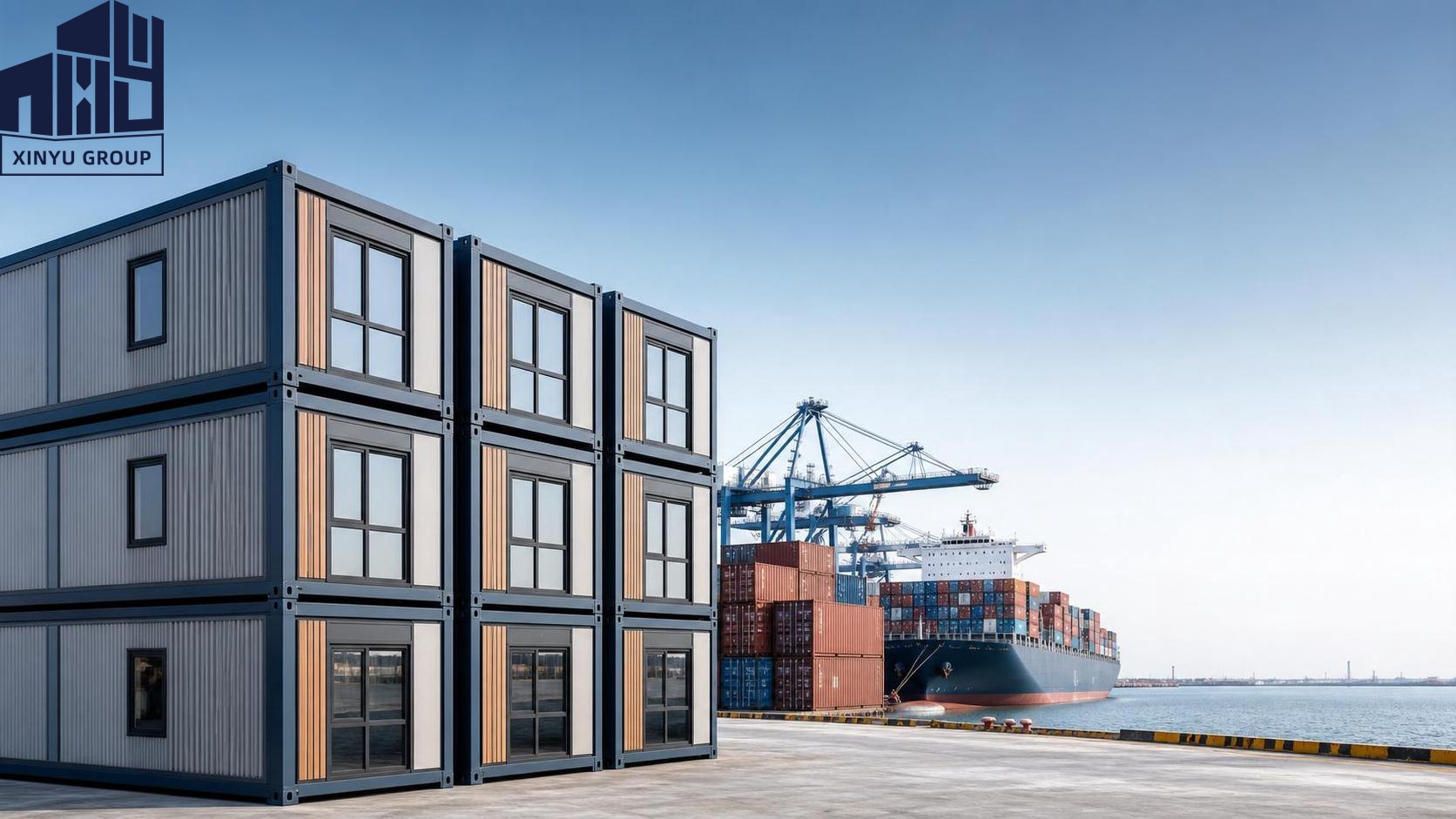
Between June 15 and June 18, 2026, tightening capacity on the trans-Pacific route became a key issue for companies shipping container housing to the United States. Reports cited from June 17 to 18 indicate that June slots to both the US East Coast and West Coast were essentially booked out, while equipment shortages and longer vessel turnaround linked to Red Sea diversions further slowed shipment flows. For exporters, overseas buyers, and supply chain teams, the immediate concern is not only freight access, but also how a longer booking and delivery cycle may affect inventory planning, channel replenishment, and peak-season preparation.
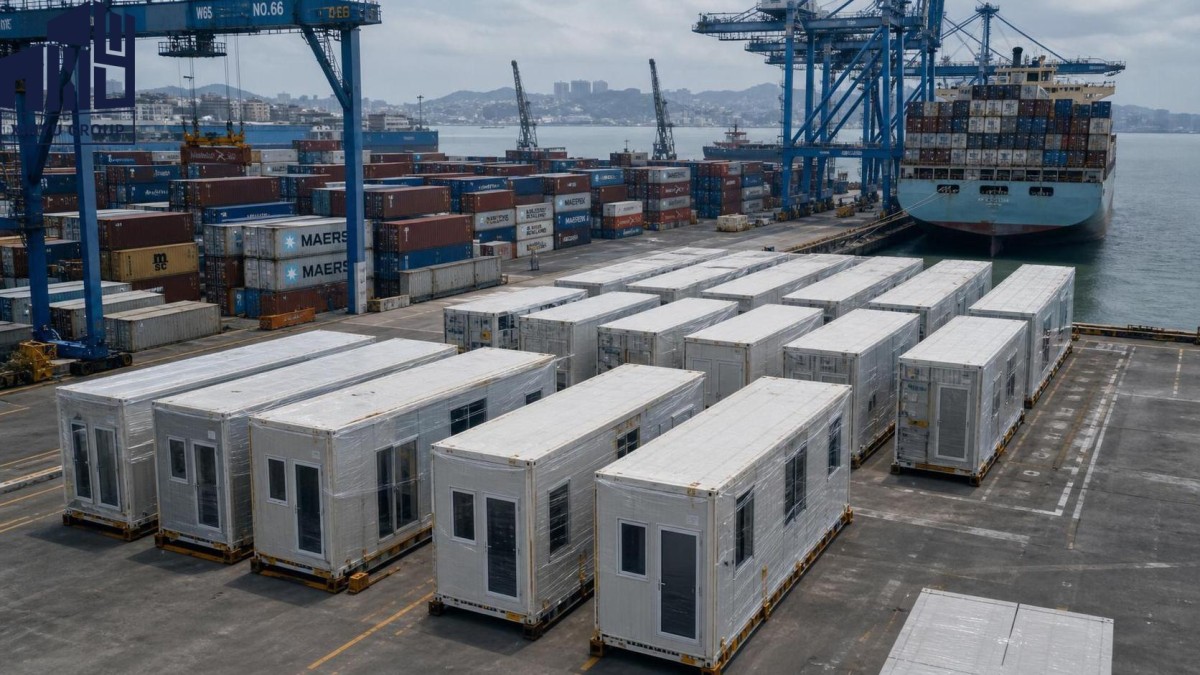
What has been confirmed in the latest shipping disruption
According to the provided information, trans-Pacific services between China and the United States entered a period of widespread space tightness during June 15–18, 2026. June capacity to both the US East Coast and West Coast was largely sold out.
The same information states that the situation has been compounded by a shortage of empty containers and reduced equipment turnover caused by Red Sea rerouting. Under these conditions, the average booking wait time for container housing exports has reached about 7 to 10 days, and overall ocean delivery lead times have generally extended to 8 to 10 weeks.
Where the pressure is likely to appear across the chain
Exporters face a longer decision-to-shipment window
From an industry perspective, exporters of container housing are likely to feel the impact first in booking arrangements and delivery commitments. When June space is already largely exhausted and booking waits extend by several days, shipment schedules become harder to lock in, especially for orders tied to fixed customer timelines.
What deserves closer attention is whether the longer transit cycle starts to affect contract execution, production handover, and promised dispatch timing. Even without a change in product demand, reduced shipping certainty can alter how exporters sequence orders for the US market.
Overseas buyers may need to adjust inventory and replenishment timing
For overseas procurement teams and buyers, the main issue is planning accuracy. If ocean delivery cycles for container housing are now commonly extending to 8 to 10 weeks, inbound timing becomes less predictable for projects, stock builds, and seasonal replenishment.
Analysis shows that the effect is likely to be most visible in inventory positioning and channel supply rhythm. Buyers that rely on narrow replenishment windows may need to pay closer attention to booking progress, confirmed sailing arrangements, and revised arrival expectations.
Channel and distribution operations could see timing mismatches
For distributors and channel operators, the concern is less about production itself and more about when goods can enter the local sales and fulfillment cycle. A longer shipping lead time may compress the period available for market rollout, warehouse intake, and downstream allocation.
Observably, this matters most where product launches or seasonal stocking plans are tied to pre-set windows. Delays at the booking stage can translate into slower channel fill rates later in the cycle.
Supply chain service teams need to monitor execution risk more closely
Freight coordinators, logistics service providers, and internal supply chain managers are also directly affected because the disruption is tied to both vessel space and equipment availability. In this environment, execution risk is concentrated in booking confirmation, container allocation, and end-to-end schedule reliability.
What deserves closer attention is whether the longer cycle remains limited to current June pressure or continues to influence later outbound planning. For now, the operational burden is clearly increasing at the coordination stage.
What companies should watch now
Track booking confirmation rather than relying on nominal schedules
Analysis shows that in a tight-capacity market, listed schedules alone are not enough for planning. Companies involved in container housing exports should focus on the gap between intended shipment dates and actual booking confirmation, because that gap now carries direct delivery implications.
Recheck customer commitments against an 8–10 week delivery cycle
Where sales commitments were built around shorter lead times, teams may need to revisit promised delivery windows and customer communication. The key issue is not to assume that previous shipping cadence still applies when the reported cycle has already lengthened materially.
Pay closer attention to inventory and peak-season timing
For buyers and channel-side operators, the practical focus is whether current inventory plans still match a slower replenishment timeline. If booking access and vessel turnover remain constrained, peak-season stocking windows may narrow further.
Differentiate confirmed updates from evolving market conditions
Observably, this situation should be monitored through subsequent official statements, carrier-side updates, and further reporting rather than being treated as a fixed long-term outcome. The present facts confirm tight space and longer lead times during the stated period, but the next operational question is whether those conditions stabilize, ease, or extend.
How this development is best understood at this stage
Analysis shows that this is more than a routine freight fluctuation for container housing exports, because the pressure is appearing simultaneously in vessel space, empty container availability, and shipment turnaround. That combination matters for planning even before any broader market conclusion can be drawn.
At the same time, it is more appropriate to understand this as a live logistics signal rather than a settled long-term shift. The reported facts clearly show near-term strain in June shipments to the US East and West Coasts, but they do not by themselves establish how long the disruption will persist beyond the current booking cycle.
Why the market should keep this in view
The immediate industry significance lies in timing risk. When booking waits extend to 7 to 10 days and delivery cycles stretch to 8 to 10 weeks, the impact reaches beyond freight operations into procurement planning, channel preparation, and customer delivery coordination.
From an industry perspective, the current development is best read as a short-term operational warning with potential broader implications if constraints continue. It warrants close monitoring, but it should not yet be overstated as a definitive long-range market outcome.
Basis of this article
This article is generated based on the user-provided news title, event timing, and event summary. The factual basis used here is limited to the reported June space tightness on trans-Pacific routes, the stated shortage of empty containers, the impact of Red Sea rerouting on capacity turnover, the reported 7 to 10 day booking wait for container housing exports, and the reported extension of ocean delivery lead times to 8 to 10 weeks.
For this type of industry development, commonly relevant source categories may include official notices, company statements, industry association information, authoritative media coverage, and transport-related institutional updates. A specific official source link was not provided in the input, so further verification remains necessary. Continued attention should focus on follow-up statements, whether booking pressure extends beyond the current period, and whether delivery cycles for US-bound container housing shipments begin to normalize.
Need Us to
Contact You?
We received your message and will contact you as soon as possible.
Thank you for your visit.