news

On June 17, 2026, the reported rush for vessel slots and empty containers on China-US routes highlighted more than a freight market spike. From an industry perspective, this development is a practical trade-execution signal: higher ocean rates, tighter equipment availability, and exchange-rate pressure may affect export pricing, booking arrangements, and delivery timing for customized container homes, making it especially relevant for exporters, buyers, manufacturers, and supply-chain service providers.
What the market data confirms
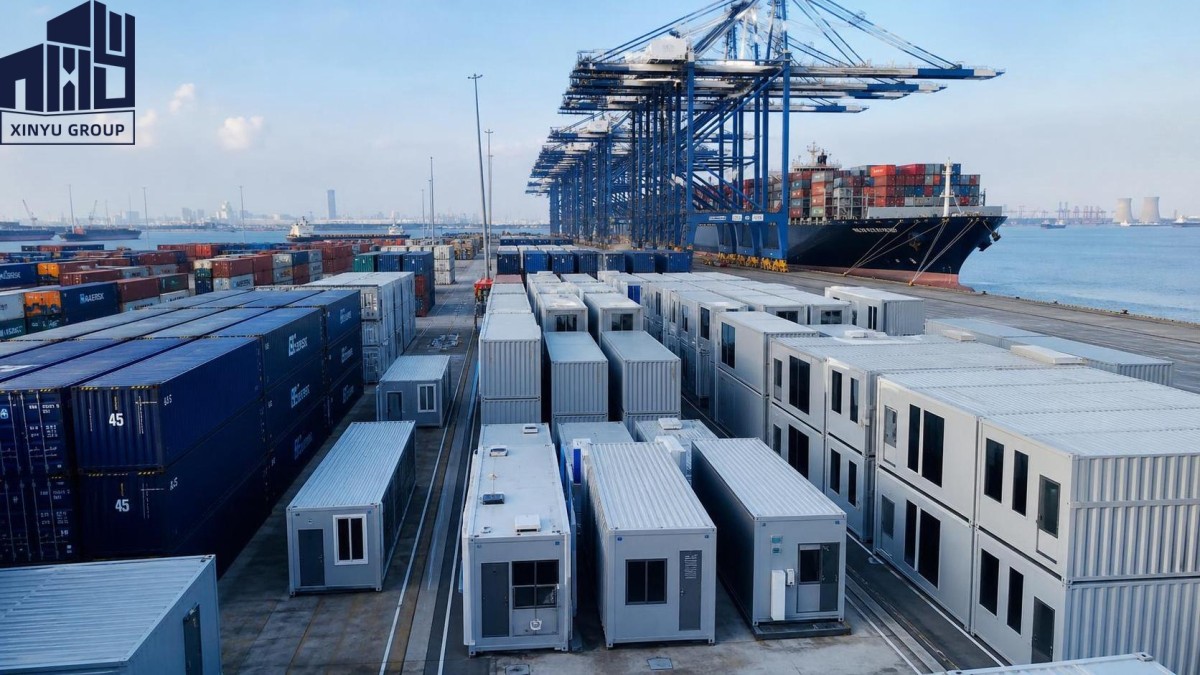
According to the provided event summary, accelerated US import restocking and an earlier peak season led to a scramble for cargo space and empty containers on China-US routes. As of the June 17, 2026 report, rates for 40-foot containers to the US West Coast and East Coast had risen by 87% and more than 70% respectively from the start of the year. The SCFI composite index reached 2726.48 points, a new high for the year. At the same time, the renminbi had appreciated by more than 7% against the US dollar, further compressing the profit margins of container manufacturers and potentially passing through to the export quotations and delivery schedules of customized container homes.
Where trade execution pressure is likely to appear
Export quotation and contract coordination
Analysis shows that exporters of customized container homes may face immediate pressure in quotation management because freight costs and currency movement affect landed pricing at the same time. The main impact is likely to appear in offer validity, booking assumptions, shipping terms, and delivery commitments. What deserves closer attention is whether contract documents, pro forma invoices, and delivery clauses clearly reflect freight-related variability rather than assuming stable transport conditions.
Production scheduling and shipment readiness
For manufacturers, the issue is not only cost but timing. Observably, a scramble for vessel slots and empty containers can disrupt the handoff between factory completion and port shipment. This may affect production release planning, packing schedules, and coordination between finished goods readiness and vessel booking. Companies involved in export execution should pay closer attention to shipment documentation readiness, internal production milestones, and the alignment of technical and commercial files before cargo is ready to move.
Procurement and supply-chain service coordination
Supply-chain service providers and procurement teams may be affected because equipment availability and freight volatility can alter normal booking routines. The operational impact is likely to fall on booking lead time, empty container allocation, and schedule certainty. From an industry perspective, the key change is not a new written rule in itself, but a tighter market environment that can function like an execution constraint, requiring closer review of transport arrangements, supplier commitments, and delivery sequencing.
What companies should review now
Check whether pricing documents reflect current freight risk
Analysis shows that companies should review whether quotations, order confirmations, and trade documents leave enough room for shipping cost fluctuations. Where freight assumptions are embedded in commercial terms, the current market may require tighter wording and more frequent updates.
Reconfirm delivery promises against actual booking conditions
What deserves closer attention is the gap that can emerge between factory completion and actual vessel departure. If shipment timing depends on container availability and booking confirmation, delivery commitments may need to be reviewed with buyers and logistics partners before they are treated as fixed.
Keep compliance and technical files ready for faster execution
Although the provided information does not describe a new certification rule, observably, tight shipping windows increase the cost of document delays. Exporters should therefore pay attention to whether technical documents, inspection records, product files, and bid or tender materials are complete and ready for submission when shipment opportunities arise.
Watch for changes in downstream purchasing behavior
From an industry perspective, buyers and project-based procurement teams may respond to freight volatility by reassessing order timing, shipment batching, or acceptance milestones. This is not yet a confirmed rule change, but it is a practical market signal that may influence how orders are negotiated and scheduled.
How this signal should be interpreted
Observably, this development is better understood as an active execution signal in cross-border trade rather than a fully defined regulatory shift. The confirmed facts point to transport tightness, higher rates, and margin pressure, while the wider implications for contract practice, delivery discipline, and procurement behavior still require continued observation. For the container home segment, the most relevant issue is how market pressure translates into day-to-day compliance with delivery commitments and trade documents.
A measured reading for the container home sector
At this stage, the event should be read as a real and already visible change in shipping conditions, with possible knock-on effects on export pricing and delivery cycles for customized container homes. It is more appropriate to understand this as a market-enforced operating constraint that may influence trade execution, rather than as a completed policy outcome with fixed industrywide consequences. Continued monitoring remains necessary before drawing broader conclusions.
Basis of this article and what still needs verification
This article is generated from the user-provided news title, event date, and event summary. For developments of this kind, relevant source categories usually include official notices, regulator releases, customs or trade authority information, industry association updates, standards documents, and reporting by authoritative media. The input did not provide a specific official source link, so further verification remains necessary. What still requires continued observation includes any later official wording, execution interpretations, tender document changes, certification-related practice, industry feedback, and how companies adjust delivery and export arrangements in response.
Need Us to
Contact You?
We received your message and will contact you as soon as possible.
Thank you for your visit.