news
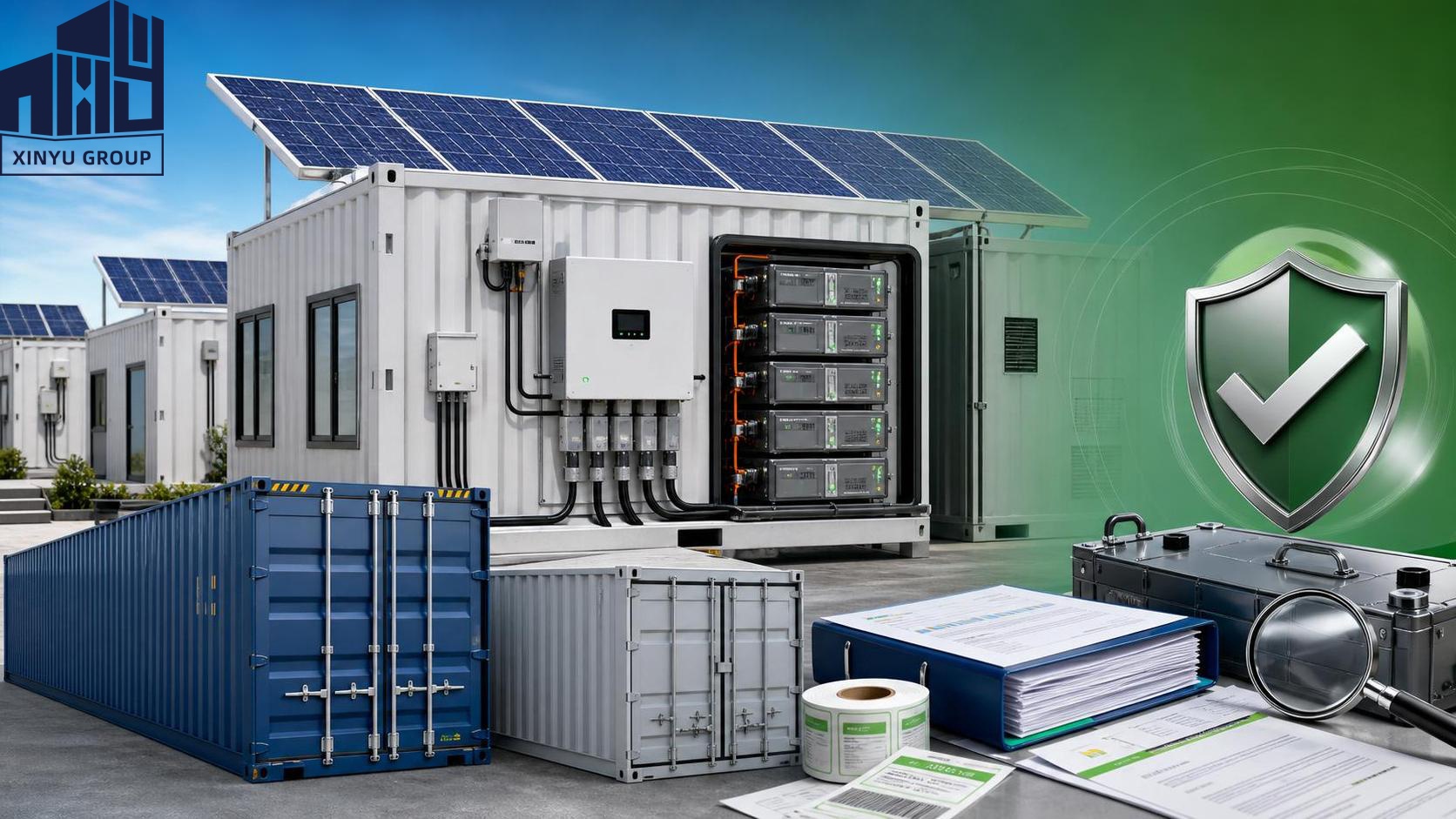
On June 21, 2026, India began enforcing a BIS requirement that affects imported equipment containing lithium batteries, including smart container units that integrate solar and energy storage. For exporters, buyers, and project teams involved in tourism, municipal, and construction-use container housing, the issue is no longer only product configuration but also whether battery-related capacity and safety verification has been completed through a BIS-recognized third-party body before customs clearance.
What the new BIS requirement covers
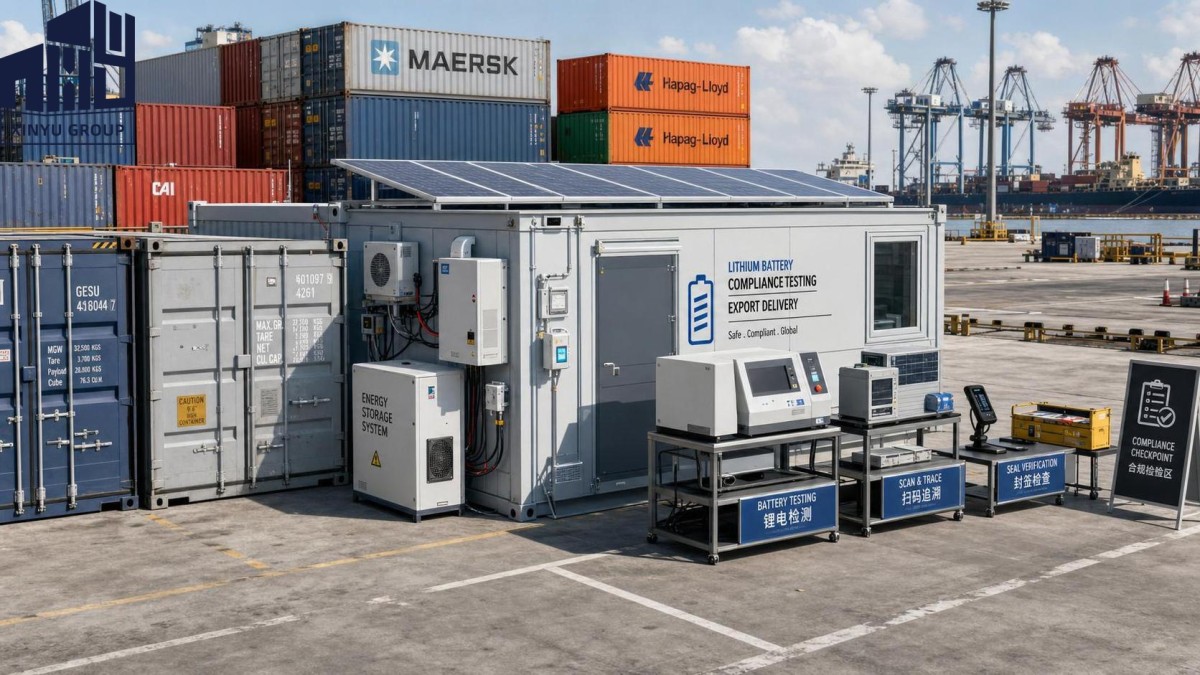
According to the information provided, the Bureau of Indian Standards (BIS) formally implemented a new rule from June 21, 2026. Under this requirement, all imported equipment containing lithium batteries must complete verification of rated capacity and safety performance through a BIS-recognized third-party institution.
The rule applies to products that include lithium batteries as part of the equipment package, and the provided information specifically includes smart container units that combine photovoltaic systems and energy storage. If the required verification is not completed, the products will not be cleared through customs.
Where the immediate pressure is likely to appear
Export transactions involving integrated container systems
From an industry perspective, Chinese suppliers exporting container units with energy storage functions to India may face the most direct impact because the rule is tied to import clearance. The main pressure point is not only shipment readiness, but whether the battery-related compliance status is already in place when goods move toward delivery.
Procurement decisions on project-based container applications
Buyers involved in tourism, municipal, and construction-site container projects may need to pay closer attention to the certification status of the imported system. Analysis shows that procurement risk now extends beyond price, specification, and delivery time to include whether BIS-related testing reports remain valid for the equipment being ordered.
Documentation and handover across the supply chain
Supply chain service providers and project coordinators may also be affected at the document and scheduling level. Observably, when customs clearance depends on third-party verification, supporting paperwork, testing status, and report validity become more sensitive parts of the delivery process.
What companies should check now
Whether the product already falls within the practical scope of enforcement
What deserves closer attention is whether a specific export model includes lithium batteries as part of the imported equipment package, especially in integrated solar-plus-storage container solutions. This is the threshold issue for determining whether the BIS third-party verification requirement becomes a shipment blocker.
Status and validity of BIS-related testing documents
For exporters and buyers, the immediate practical question is whether the product has completed the required rated capacity and safety performance verification through a BIS-recognized third-party body, and whether the related testing report remains valid at the time of transaction and customs processing.
Supplier communication before order confirmation
Analysis shows that buyers may need to confirm certification status earlier in the transaction cycle rather than treating compliance documents as a late-stage shipping attachment. For suppliers, this means customer communication may need to address testing progress and document readiness before delivery planning is finalized.
Delivery planning and contingency preparation
Where projects depend on fixed installation or deployment timelines, companies may need to distinguish between commercial readiness and clearance readiness. Observably, a product can be technically complete yet still face import disruption if verification paperwork is incomplete or not recognized for the intended shipment.
Why this matters beyond a single customs step
Analysis shows that this development is not merely a procedural update for import documents. It signals that, for equipment containing lithium batteries, compliance review is becoming a more visible part of market access in India, especially for integrated products where the battery system is embedded within a larger application such as a container-based unit.
At the same time, it is more appropriate to understand this as an enforceable compliance change with broader implications still requiring observation, rather than as a fully defined long-term market outcome. The confirmed fact is the verification requirement and the customs consequence; the wider commercial effect will depend on how consistently it is applied across actual transactions and product categories.
How this update is best understood at this stage
For the industry, the immediate meaning of this policy is clear: container products exported to India with lithium battery-based storage functions now face a stricter entry condition tied to third-party BIS-recognized verification. A cautious reading is more appropriate than an exaggerated one. This is best understood as a concrete short-term compliance change and a longer-term signal that battery-related verification may carry increasing weight in cross-border project deliveries.
Basis of this article
This article is generated based on the user-provided news title, event date, and event summary. For this type of development, relevant source categories typically include official notices, company statements, industry association updates, authoritative media reporting, and standard-setting or certification documents.
A specific official source link was not provided in the input, so the precise official reference still requires ongoing verification. Follow-up attention should remain on any further official clarification, implementation wording, and practical enforcement details that affect certification status, report validity, and customs clearance in real export cases.
Need Us to
Contact You?
We received your message and will contact you as soon as possible.
Thank you for your visit.