news

On August 18, 2026, the EU will begin enforcing a new compliance requirement under Regulation (EU) 2023/1542 for rechargeable industrial batteries above 2kWh, including energy storage systems integrated into container houses. For exporters, importers, certification teams, and customs-facing operations, the immediate point of attention is not only the carbon footprint performance label itself, but also the simultaneous rollout of the digital battery passport, because both now sit closer to market access, product certification, and import declaration readiness for shipments entering the EU.
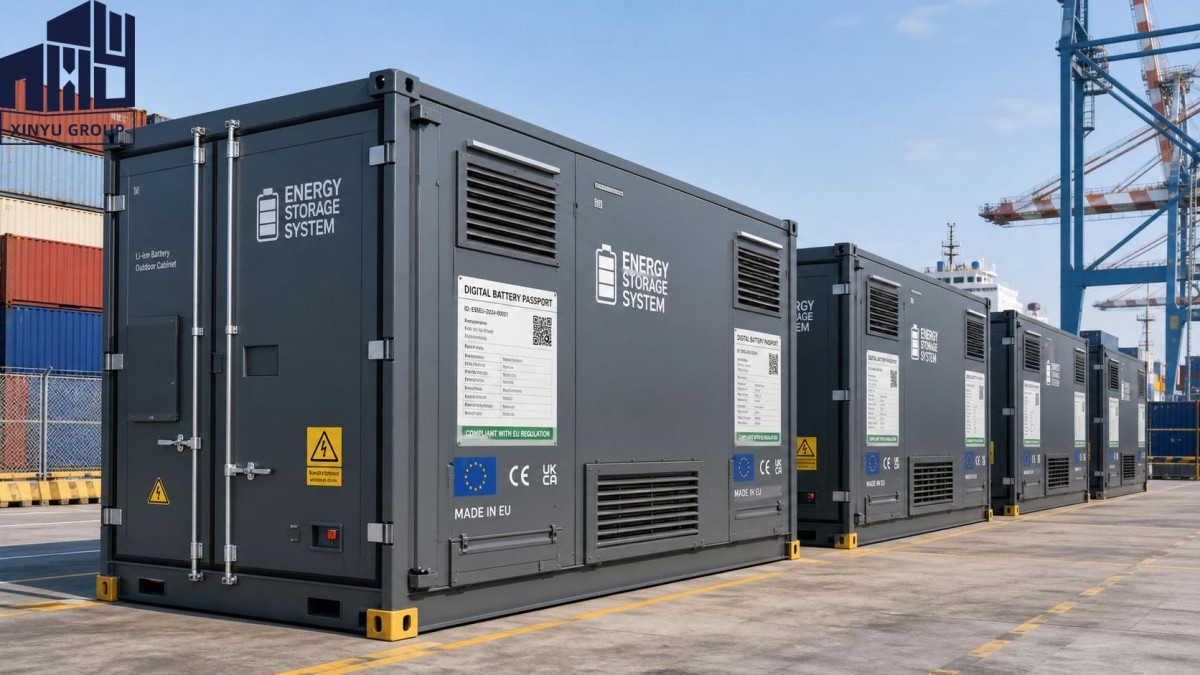
What the rule requires from August 18
According to the provided information, from August 18, 2026, the EU Battery and Waste Battery Regulation (EU) 2023/1542 will require rechargeable industrial batteries with a capacity above 2kWh to carry a carbon footprint performance grade label. The requirement also covers energy storage systems integrated into container houses. At the same time, the digital battery passport will take effect alongside this obligation.
The compliance threshold is described as directly affecting complete-unit certification, customs declaration, and market access for Chinese container house exports to the EU. The provided information also states that importers need to verify in advance whether suppliers have adequate carbon data management capabilities.
Where the pressure is likely to appear first
Exporters of containerized systems face a documentation checkpoint
From an industry perspective, companies exporting container houses with integrated storage systems may be affected because the requirement is tied to whether the battery component meets the new labeling and digital record expectations. The impact is likely to show up in product certification preparation, shipment documentation, and communication with EU-side customers or import partners.
Importers need stronger supplier screening
Analysis shows that EU importers are not only receiving goods but also taking on a more active verification role. What deserves closer attention is whether upstream suppliers can provide consistent carbon data, support the required label, and align with the digital battery passport requirement in time for customs and market entry processes.
Compliance and customs functions may become earlier-stage participants
Observably, the issue is no longer limited to a technical battery label. Teams handling certification, customs declaration, and market entry may need to engage earlier in the delivery cycle, because the provided information links the new rule directly to clearance and access conditions rather than treating it as a post-shipment formality.
What companies should monitor now
Whether affected products are correctly identified
A practical first concern is product scope. Businesses involved in container houses shipped to the EU should pay close attention to whether their integrated storage configuration falls within the rechargeable industrial battery category above 2kWh referenced in the provided information, because that determines whether the label and passport obligations apply at the unit level.
How carbon data is prepared and managed
Analysis shows that the more immediate operational issue may be data readiness rather than label design alone. If importers are expected to verify supplier carbon data management capabilities in advance, then suppliers, assemblers, and export-side coordinators need to assess whether their existing documentation flow can support that verification without delaying certification or customs submission.
The difference between policy text and execution risk
What deserves closer attention is the gap between a rule being effective and a company being ready to implement it in daily business. For firms shipping complete systems, the practical risk may emerge in handover materials, customer communication, and the timing of compliance checks, especially where certification and customs steps depend on battery-related records being complete.
Supplier communication and delivery planning
Observably, importers and exporters may need closer alignment with battery suppliers before shipment rather than after arrival. In business terms, this points to earlier confirmation of required documents, clearer allocation of data responsibilities, and contingency planning where a supplier's carbon data processes are not yet mature enough to support EU-facing documentation.
Why this looks bigger than a single label change
Analysis shows that this development is better understood as a compliance signal with operational consequences, not as a narrow packaging or marking update. The combined appearance of a carbon footprint performance grade label and a digital battery passport suggests that battery-related information is moving closer to the center of trade execution for affected products.
It is more appropriate to understand this as both a near-term compliance change and a longer-term signal about how market access expectations may increasingly depend on traceable product data. At the same time, it remains important to distinguish confirmed facts from broader interpretation: the provided information confirms the requirement and its direct relevance to certification, customs declaration, and market access, while the full business impact will still depend on how companies organize implementation in practice.
How to read this development at this stage
At this stage, the clearest takeaway is that the August 18, 2026 enforcement date creates a defined compliance point for rechargeable industrial batteries above 2kWh, including storage systems integrated into container houses. For the industry, the issue is not only regulatory awareness but execution readiness across certification, customs, supplier validation, and market entry documentation.
From an editorial standpoint, this is more appropriately viewed as an actionable compliance development rather than a distant policy signal. It does not by itself confirm wider market outcomes, but it does indicate that affected companies should treat carbon data management and battery-related documentation as immediate business priorities for EU-bound shipments.
Basis of this article
This article is based on the user-provided news title, event date, and event summary. The analysis is limited to the confirmed information provided: the August 18, 2026 enforcement timing, the scope covering rechargeable industrial batteries above 2kWh including integrated storage systems in container houses, the carbon footprint performance grade label requirement, the simultaneous launch of the digital battery passport, and the stated implications for certification, customs declaration, market access, and supplier carbon data verification.
For this type of industry update, relevant source categories usually include official regulatory notices, company compliance statements, industry association releases, authoritative media reporting, and standards-related documents. A specific official source link was not provided in the input, so further verification remains necessary. Continued attention should focus on any subsequent official clarifications, implementation wording, and practical documentation expectations related to EU-bound containerized energy storage products.
Need Us to
Contact You?
We received your message and will contact you as soon as possible.
Thank you for your visit.