news
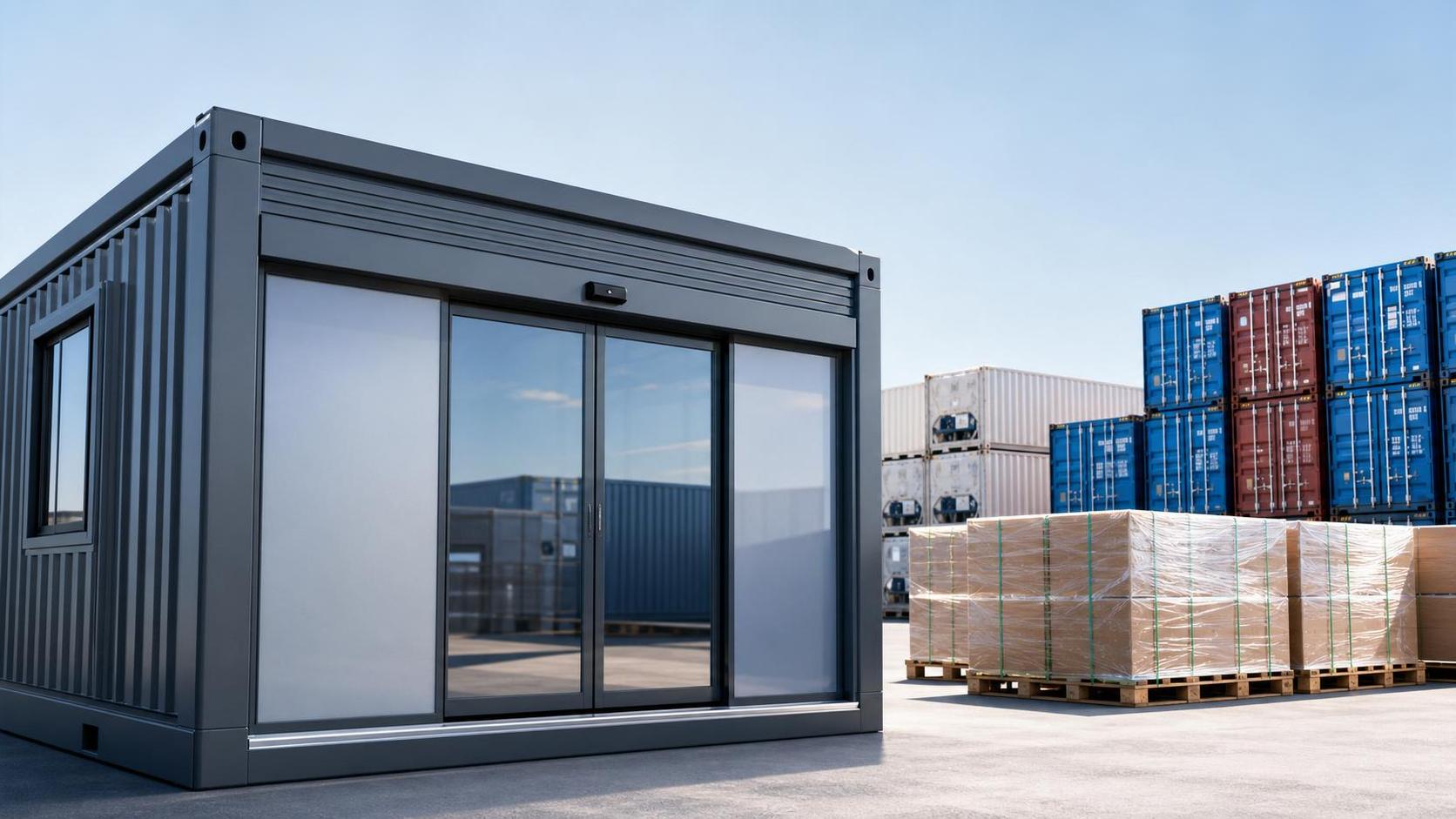
From July 15, 2026, a clear compliance change takes effect for modular container houses equipped with automatic door systems: access to the EU and UK markets now depends on alignment with EN 16005:2026 through CE and UKCA certification. For exporters, integrators, buyers, certification-related service providers, and delivery teams handling container housing products with integrated door control systems, this is not just a standards update. It directly affects customs clearance, product listing continuity, and shipment readiness.
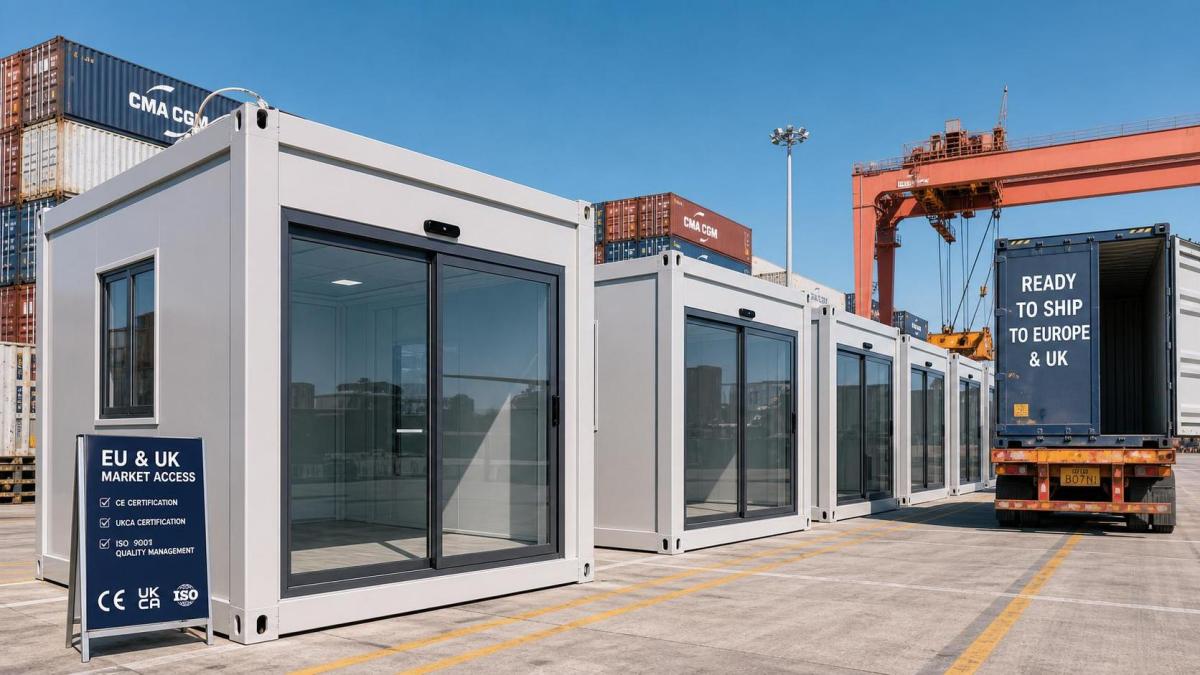
What the rule change formally establishes
The confirmed facts are limited but commercially significant. An amendment published in the Official Journal of the European Union (OJEU) on July 13, 2026, added EN 16005:2026 to the list of harmonized standards under the Machinery Directive (2006/42/EC). From July 15, 2026, modular container houses that include automatic door systems are subject to mandatory CE certification requirements tied to that standard. At the same time, the UKCA framework has adopted the same standard in parallel. The rule change directly affects container house products exported to the EU and the UK when they include integrated door control systems, and products without the required certification face rejection at customs clearance or removal from sale.
Where the impact will be felt first
Export transactions now hinge on certification readiness
Exporters handling modular container houses with integrated automatic doors may be affected first because the change sits directly at the border-compliance and market-entry stage. The practical pressure points are shipment release, market access, and product listing continuity. What deserves closer attention is whether current export documentation, technical files, and certification status are sufficient for shipments scheduled on or after July 15, 2026.
Manufacturing and integration teams face product-scope checks
Manufacturers and system integrators may be affected because the rule is tied to the presence of automatic door systems within the delivered container house product. The main business impact is likely to appear in product configuration review, technical documentation alignment, and model-by-model compliance screening. From an industry perspective, companies need to focus on whether door system integration changes the compliance status of products that may previously have been handled as general modular units rather than as units requiring this specific certification pathway.
Procurement and project delivery may need tighter supplier screening
Buyers, project procurement teams, and supply chain service providers may be affected where orders involve delivery into the EU or UK markets. The likely pressure points are supplier qualification, order specifications, and delivery scheduling. Analysis shows that procurement teams should pay closer attention to whether suppliers can provide certification-related documentation for products containing integrated door control systems, especially where shipment timing and acceptance conditions are contract-sensitive.
Testing and certification support functions may see a shift in workload
Certification-related firms and testing service providers may be affected because the market now has a firm enforcement date connected to a specific standard. The business impact is less about abstract regulatory awareness and more about documentation review, conformity assessment preparation, and technical evidence handling. Observably, companies using external compliance support will need to confirm whether their current service scope covers products that combine modular housing structures with automatic door functionality.
What companies should review now
Check which products fall inside the new compliance boundary
The immediate practical issue is product scope. Companies should review which modular container house products exported to the EU or UK include automatic door systems or integrated door control functions, because that feature is central to the confirmed rule change. Where product families vary by configuration, scope review becomes important for avoiding assumptions that all units can continue under existing documentation.
Re-examine certification files and technical paperwork
Because the confirmed consequence includes customs rejection or delisting for uncertified products, companies should pay close attention to certification status, technical documents, test-related materials, and trade paperwork associated with affected products. The input does not provide detailed enforcement documentation requirements, so this should be treated as a compliance review priority rather than as proof of a settled filing checklist.
Watch for changes in tenders, purchase terms, and delivery conditions
Analysis shows that the rule change may begin to appear not only in regulatory review but also in commercial documents. Tender specifications, purchase terms, supplier declarations, and delivery acceptance conditions may start to reference CE and UKCA alignment for integrated automatic door systems. Since the input does not include confirmed downstream implementation language, this remains a live area to monitor rather than a completed market shift.
Prepare for timing pressure around shipments and after-sales responsibility
What deserves closer attention is delivery timing for products already in production, in transit preparation, or close to export scheduling. Firms should also consider whether after-sales support, traceability, and product documentation handling are ready for markets where listing removal is a stated risk for uncertified products. The available facts do not confirm how individual market actors will apply these requirements in every scenario, so execution details still need verification.
Why this looks like an execution signal, not a distant policy headline
Analysis shows that this development is better understood as a rule already entering operational use rather than as an early consultation-stage policy discussion. The effective date is explicit, the standard has been formally brought into the relevant framework, and the commercial consequence for non-certified products is direct. At the same time, it is still too early to treat all downstream practices as fully settled, because the input does not provide detailed enforcement guidance, market-by-market implementation language, or evidence of how procurement documents and channel controls will be updated in practice.
How the market should read this change
For the container housing trade, the most reasonable reading is that automatic door integration is now a more visible compliance trigger for EU and UK market access. This is not simply a technical standards update in the abstract; it has immediate implications for export readiness, documentation control, and delivery planning. A cautious, neutral conclusion is that the rule has crossed into effective market-entry relevance, while several execution details still warrant continued observation.
Basis of this article and what still needs verification
This article is based on the user-provided news title, event date, and event summary. For developments of this type, relevant source categories typically include official notices, regulatory authority publications, customs or trade authority information, industry association updates, standards organization documents, and reporting by established professional media. A specific official source link was not provided in the input, so the precise link still needs to be verified on an ongoing basis. Continued monitoring is also warranted for detailed enforcement wording, certification application practice, tender document updates, market feedback, and how companies actually implement the new requirements in export and delivery workflows.
Need Us to
Contact You?
We received your message and will contact you as soon as possible.
Thank you for your visit.