news
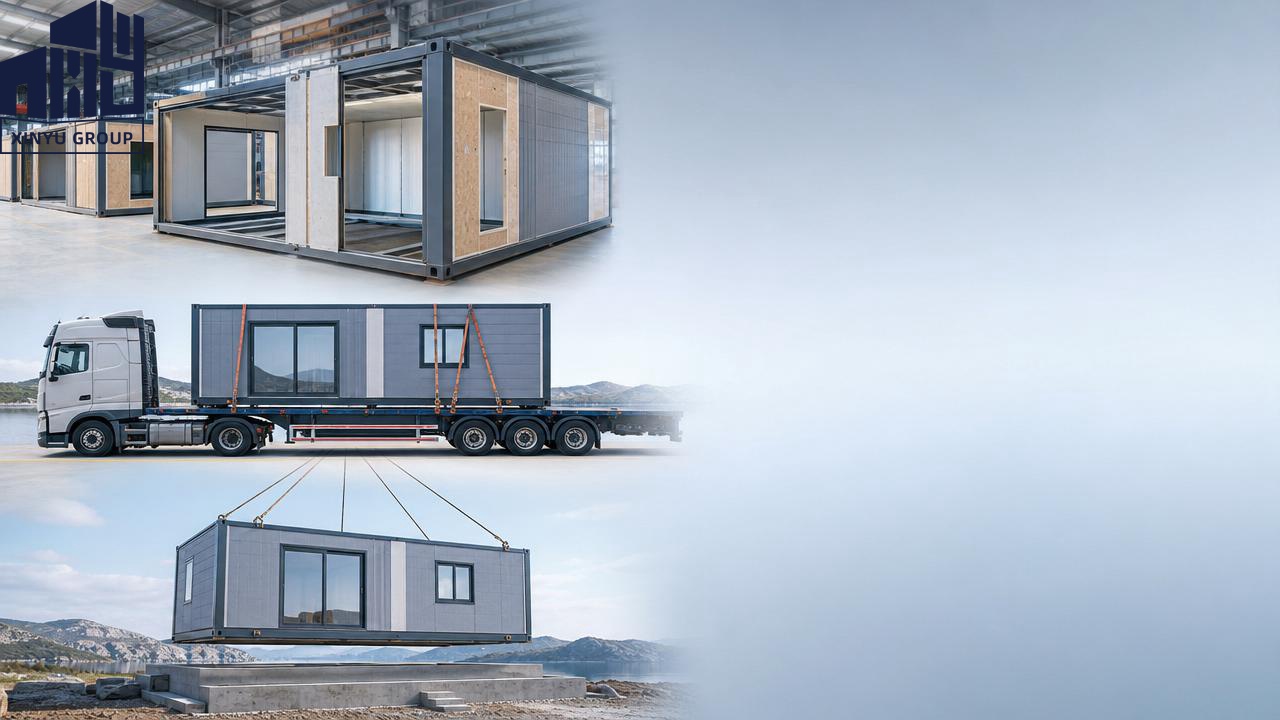
Understanding Container Houses costs is essential for procurement teams comparing suppliers and planning budgets. From base unit pricing and customization to transport, site preparation, and installation, every stage affects the total investment. This guide breaks down the key cost factors behind Container Houses so buyers can evaluate options more accurately, reduce hidden expenses, and make informed purchasing decisions.
What Drives the Total Cost of Container Houses?
For procurement teams, the listed unit price is only the starting point. The final budget for Container Houses depends on structural type, interior fit-out, transport distance, crane access, site condition, and compliance requirements.
A basic camp module and a fully finished office or accommodation unit can differ sharply in cost because insulation, electrical layout, plumbing, windows, fire protection, and finish standards change the bill of materials.
Buyers should also separate direct costs from project costs. A supplier may quote a competitive module price, but the real landed cost increases if local foundation work, customs, inland delivery, or on-site assembly are excluded.
- Base module cost: steel frame, wall panels, roof system, floor, doors, and windows.
- Customization cost: partition walls, sanitary rooms, HVAC, lighting, sockets, furniture, and exterior finish.
- Logistics cost: packing method, loading efficiency, sea freight, local trucking, and unloading constraints.
- Installation cost: labor team, crane time, tools, supervision, and connection work.
- Site cost: leveling, drainage, foundations, utility connection, and permit support where required.
Why procurement teams often underestimate cost
The most common issue is comparing unlike offers. One supplier may quote Container Houses with finished bathrooms and wiring, while another quotes only the shell. Without a line-by-line scope check, procurement decisions can be distorted.
Another blind spot is installation responsibility. If the supplier sends materials only, the buyer may still need local contractors, lifting equipment, and technical supervision. These items can materially affect project cash flow and delivery timing.
Cost Breakdown by Stage: Build, Transport, and Installation
The table below helps procurement teams evaluate Container Houses across the three budget stages that matter most: manufacturing, logistics, and on-site implementation.
This breakdown shows why a low factory price does not always mean a low project price. For many Container Houses projects, transport efficiency and installation planning determine whether the purchase remains within budget.
Build cost: what changes the factory quote?
Factory pricing usually changes with structural system and finish level. Flat-pack units can reduce freight cost, while welded modules can shorten site work. The right choice depends on project location, labor availability, and delivery urgency.
- Steel consumption increases when wind load, snow load, or stacking requirements are higher.
- Insulation upgrades raise cost but can reduce operating expense in extreme climates.
- Bathrooms and kitchens add plumbing complexity, waterproofing, and fixture sourcing cost.
- Custom façade treatment, cladding, or color matching may extend lead time and budget.
Transport cost: why freight efficiency matters
Container Houses are often chosen for rapid deployment, but poor packing efficiency can weaken that advantage. Flat-pack or dismountable designs usually allow more units per shipping container, improving landed cost per square meter.
However, freight savings must be balanced against extra assembly time. Procurement teams should ask suppliers for loading plans, estimated packing ratios, and unloading requirements before comparing quotations.
Installation cost: where hidden expenses appear
Site conditions can change installation cost quickly. Soft ground, limited access roads, restricted crane movement, or late utility availability often create indirect expense through labor downtime and schedule disruption.
For this reason, buyers should confirm whether the supplier includes installation drawings, anchor details, material lists for connection work, and remote or on-site technical guidance.
How to Compare Different Types of Container Houses
Not all Container Houses serve the same procurement goal. Some prioritize lower shipping cost, some prioritize faster installation, and others prioritize appearance or long-term use.
The comparison below helps buyers match project needs with a suitable product path rather than focusing on price alone.
In procurement practice, the best option usually depends on total installed cost, not product category alone. A more expensive module can still be the better choice if it reduces freight volume, on-site labor, and project delay exposure.
Which Specifications Have the Biggest Budget Impact?
When reviewing Container Houses quotations, procurement teams should focus on a few technical items that strongly affect both initial cost and operational suitability.
Key specification checkpoints
- Wall and roof panel type, including insulation core and thickness for local climate conditions.
- Floor structure and finish, especially for heavy-use offices, dormitories, or wet areas.
- Window and door specification, which influences ventilation, durability, and thermal performance.
- Electrical standard, socket type, cable routing, and distribution box scope for destination market use.
- Plumbing layout, water pressure assumptions, drainage connection, and sanitary fixture grade.
Compliance and performance considerations
Even when a project is cost-sensitive, buyers should not ignore fire safety, weather resistance, and structural loading requirements. Container Houses used for accommodation, office work, or public access may need different compliance documentation depending on the destination.
It is reasonable to ask suppliers for general information on material specifications, structural assumptions, and applicable test references. This supports internal approval and reduces the risk of buying units that later require costly modification.
Procurement Checklist: How to Avoid Hidden Costs
A structured purchasing process is one of the most effective ways to control Container Houses cost. The goal is not only to obtain a quote, but to lock down scope, schedule, and delivery responsibility.
- Define the use case clearly, such as office, accommodation, classroom, clinic, or mixed-use function.
- Confirm environmental conditions, including temperature range, wind load, rainfall, and site access.
- Request a detailed scope sheet listing structure, insulation, interior items, MEP, packing, and installation support.
- Compare Incoterms, lead time, payment milestones, and responsibility for customs and local delivery.
- Review drawings and layout before order confirmation to avoid change orders after production begins.
This process helps procurement teams compare Container Houses suppliers on a like-for-like basis. It also makes internal budget approval easier because assumptions are documented earlier.
Questions buyers should ask before issuing a purchase order
- Is the quote based on flat-pack delivery, assembled delivery, or a mixed method?
- What is excluded from the offer, especially foundation work, crane service, and utility connection?
- How many units fit in one shipping container, and what packing list is expected?
- What drawings, manuals, and installation instructions will be provided?
- What lead time changes should be expected for custom layouts or upgraded materials?
Common Budget Mistakes in Container Houses Projects
Some budget overruns come from market volatility, but many come from preventable planning errors. Procurement teams can reduce exposure by watching for recurring issues during supplier evaluation.
Frequent mistakes
- Selecting the cheapest Container Houses quote without checking material thickness, insulation type, or included fixtures.
- Ignoring local installation conditions until after the goods arrive on site.
- Assuming utility connection is included when only internal wiring and piping are provided.
- Over-customizing layouts for temporary projects, which increases cost without improving use value.
- Not aligning delivery sequence with site readiness, causing storage and rehandling expense.
In most cases, the most cost-effective solution is a balanced one: suitable performance, efficient shipping, realistic installation planning, and enough documentation to prevent rework.
FAQ: What Procurement Teams Ask About Container Houses
How should we compare Container Houses quotes from different suppliers?
Use a unified comparison sheet. Check structure, insulation, windows, doors, electrical items, plumbing scope, packing method, freight assumptions, and installation support. If one supplier includes more finished work, the unit price may look higher but the project price may be lower.
What are the most overlooked costs after production?
The most overlooked items are inland transport, port handling, crane rental, foundations, and local utility connection. For export projects, customs clearance and storage charges should also be reviewed before final budget approval.
Are flat-pack Container Houses always cheaper?
Not always. They often reduce freight cost, especially on long-distance shipping routes, but they can require more site labor and assembly time. The better choice depends on labor cost, schedule pressure, and whether the site can support quick assembly.
What procurement documents should we request before order confirmation?
Ask for layout drawings, specification sheets, packing lists, installation instructions, scope exclusions, and a delivery schedule. For some projects, general compliance references and structural design assumptions are also useful for internal review.
Why Choose Us for Your Container Houses Project
Procurement teams need more than a catalog price. They need clear scope definition, realistic logistics planning, and product recommendations that fit the project instead of forcing unnecessary upgrades.
We support Container Houses sourcing with practical quotation breakdowns, specification confirmation, layout matching, transport planning, and installation coordination points. This helps buyers reduce uncertainty before purchase orders are issued.
- Confirm suitable module type based on project use, climate, and delivery timeline.
- Review cost-sensitive parameters such as insulation, sanitary layout, and loading efficiency.
- Clarify what is included in factory supply, transport scope, and installation assistance.
- Discuss lead time, customization options, and destination-specific practical requirements.
- Request support for quotation comparison, product selection, delivery scheduling, and budget planning.
If you are comparing Container Houses suppliers, planning a new project, or trying to control transport and installation costs, contact us to discuss specifications, customization options, expected lead time, shipping method, and quotation details.
Need Us to
Contact You?
We received your message and will contact you as soon as possible.
Thank you for your visit.