news
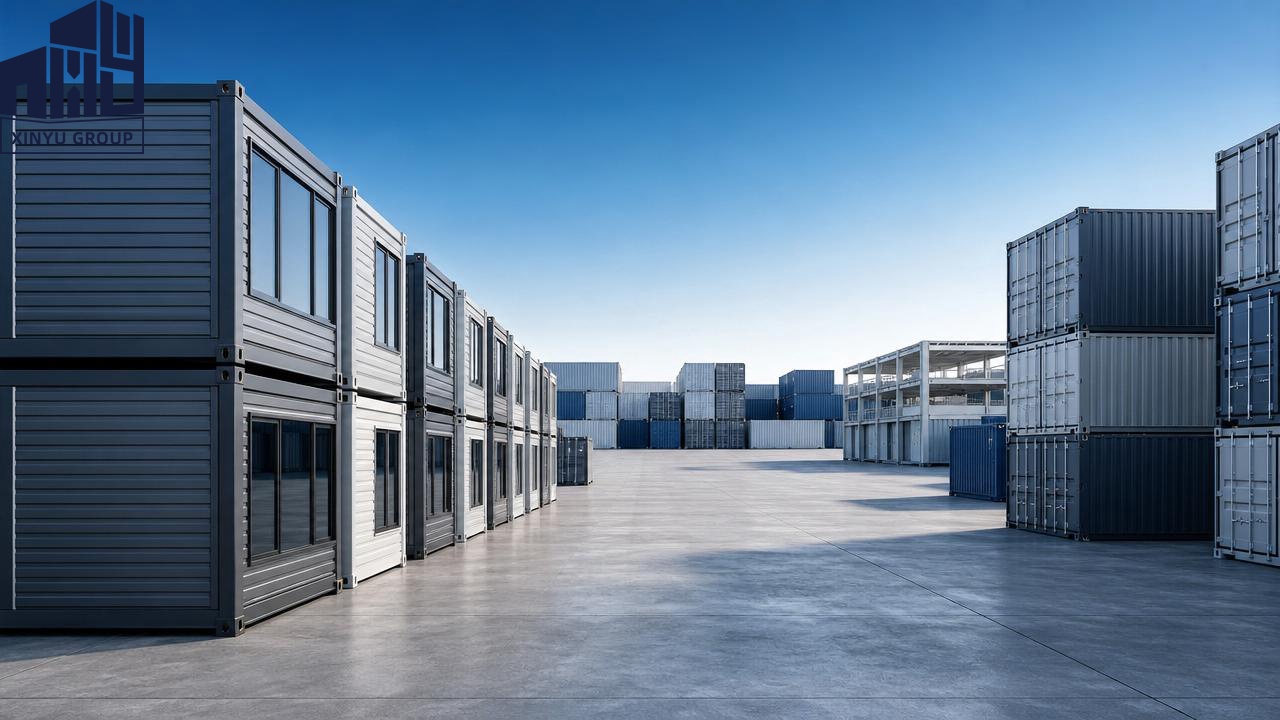
The timing of this development is not specified in the source input, but the message is already relevant for contract planning and supply-chain risk control. A new industry forecast indicates that China’s container output could fall sharply by 2026, against a backdrop shaped by antitrust litigation by the U.S. Department of Justice, intense domestic price competition, and margin pressure on upstream steel producers. For buyers, exporters, distributors of modular container-based units, EPC contractors, and emergency goods importers, the issue is not only volume reduction but also how rule-driven market pressure may affect supply continuity, delivery commitments, and sourcing discipline.
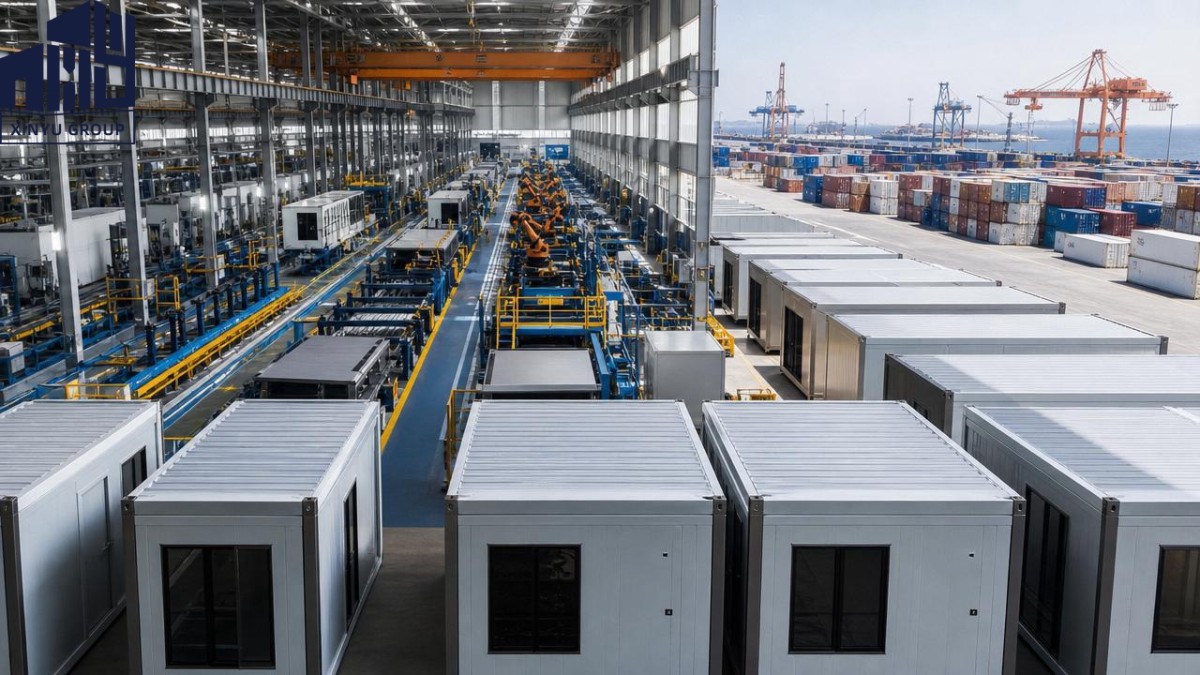
What the latest forecast actually confirms
According to the information provided, the China container industry association has forecast that China’s container output will decline to 4.5 million to 5 million TEU in 2026, with the year-on-year drop reaching as much as 30%.
The same input states that this sharp contraction in capacity is linked to three confirmed factors: an antitrust lawsuit brought by the U.S. Department of Justice, intensified internal price competition, and profit compression affecting upstream steel producers.
The provided summary also confirms that the change directly affects the stability of container supply, delivery assurance, and long-term cooperation strategies for global buyers. It further identifies overseas distributors relying on China-standard modular container housing exports, EPC contractors, and emergency material importers as particularly exposed to this supply-chain warning.
Where commercial and compliance pressure may emerge first
Procurement teams may face stricter supplier screening
From an industry perspective, buyers that depend on Chinese container supply may be affected first at the sourcing stage. If available output contracts materially, procurement teams may need to pay closer attention to supplier qualification, production continuity, lead-time commitments, and the consistency of technical documentation tied to container-based products. The practical issue is not a newly published certification rule in the input, but whether existing procurement and compliance checks remain adequate under tighter supply conditions.
Export delivery planning becomes more sensitive
For export-oriented businesses, especially those shipping standardized modular container units, the main exposure is likely to appear in delivery scheduling, contract execution, and document alignment. Analysis shows that when upstream capacity becomes less predictable, exporters may need to review whether order confirmation, delivery windows, inspection files, and customer-facing specifications are sufficiently clear to manage disputes if supply timing shifts.
Project contractors and emergency buyers may need earlier lock-in
EPC contractors and emergency goods importers are highlighted in the input because their procurement cycles often depend on assured availability rather than flexible timing. Observably, these users may need to watch for changes in bid documents, technical requirement wording, substitute-supply clauses, and after-sales responsibilities if container availability becomes harder to secure within expected project schedules.
Supply-chain service providers may see higher execution risk
Intermediaries involved in coordination, logistics, inspection support, or delivery management may also be affected. What deserves closer attention is whether reduced output changes the practical basis for lead-time promises, booking coordination, quality traceability, or claim handling. Even without a new formal trade rule stated in the input, execution standards inside contracts may become more important when supply tightens.
What companies should monitor now
Recheck qualification and technical file readiness
Analysis shows that companies relying on container supply should revisit supplier files, specification sheets, inspection records, and any product documents used in export or tender processes. This is especially relevant where container-based housing or standardized modular units are sold on the basis of repeatable technical configurations.
Track official wording and market-side implementation
The input does not provide detailed enforcement measures or formal implementing rules. It is therefore more appropriate to monitor whether subsequent official statements, association updates, buyer requirements, or tender documents begin to reflect tighter supply assumptions or revised delivery expectations.
Review contract terms tied to lead time and substitution
For current and upcoming orders, companies may need to examine how delivery deadlines, substitution clauses, acceptance conditions, and liability allocation are written. Observably, supply pressure can turn previously routine contract language into a practical compliance and dispute-management issue.
Prepare for stronger traceability expectations
Where customers require stable after-sales support or quality accountability, firms should be ready to maintain clearer records on sourcing, batch consistency, and delivery correspondence. This is not confirmed as a new rule in the input, but it is a reasonable area to watch if buyers respond to supply uncertainty with tighter documentation demands.
Why this looks more like an execution signal than a finished rule change
Analysis shows that this development should not be read as a complete new regulatory framework on its own. The confirmed facts point instead to a rule-sensitive market shift: legal pressure, competitive distortion, and upstream margin stress are combining to affect output expectations in a sector that many global buyers rely on.
It is more appropriate to understand this as an execution signal and an early warning for commercial planning rather than as a fully settled policy outcome. The key reason for continued attention is that the real impact may later appear through procurement standards, tender wording, delivery risk allocation, customer compliance reviews, and market feedback rather than through a single announced rule.
How the market is likely to read this at present
At this stage, the most balanced reading is that the forecast raises a practical alert for companies exposed to Chinese container supply, especially where projects depend on standardized modules, predictable lead times, or long-term sourcing arrangements. The reported output decline does not by itself establish a final market outcome, but it does signal that procurement discipline, contract clarity, and supply continuity checks are becoming more important.
Current attention should therefore stay on whether this develops into a broader change in purchasing behavior, delivery requirements, and supplier evaluation, rather than assuming that every part of the market will react in the same way or at the same speed.
Basis of this article and points still requiring verification
This article is generated on the basis of the user-provided news title, event timing, and summary. The event timing is stated as not specified in the input, and no direct official source link is provided there.
For developments of this type, relevant source categories commonly include official announcements, regulator releases, trade or customs authority information, industry association updates, standards organization documents, and reporting by established business media. Because no specific official source link is included in the input, further verification is still needed.
What still requires observation includes any later policy detail, enforcement interpretation, certification-related practice, tender document changes, industry feedback, and how companies actually adjust procurement, delivery, and compliance procedures in response.
Need Us to
Contact You?
We received your message and will contact you as soon as possible.
Thank you for your visit.