news
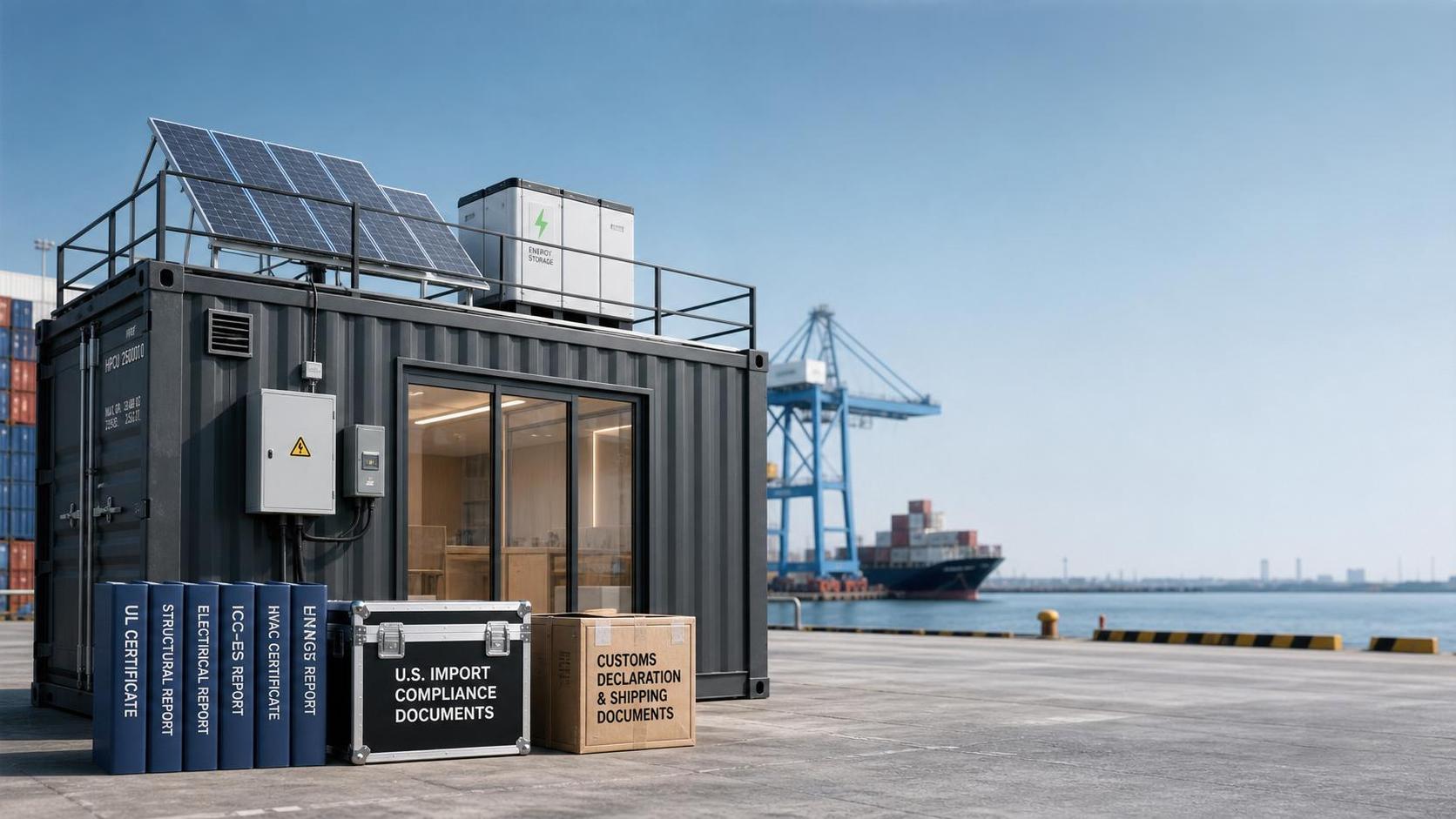
On July 15, 2026, a new U.S. customs compliance requirement began affecting imported modular building units, including container homes, when those finished structures contain electrical systems, batteries, or photovoltaic components. Based on temporary enforcement guidance issued by U.S. Customs and Border Protection (CBP) on July 12, the rule matters most to exporters shipping to the U.S., manufacturers assembling completed units, and supply chain teams responsible for documentation, customs filing, and delivery timing, because missing compliance materials can now directly disrupt clearance and handover schedules.
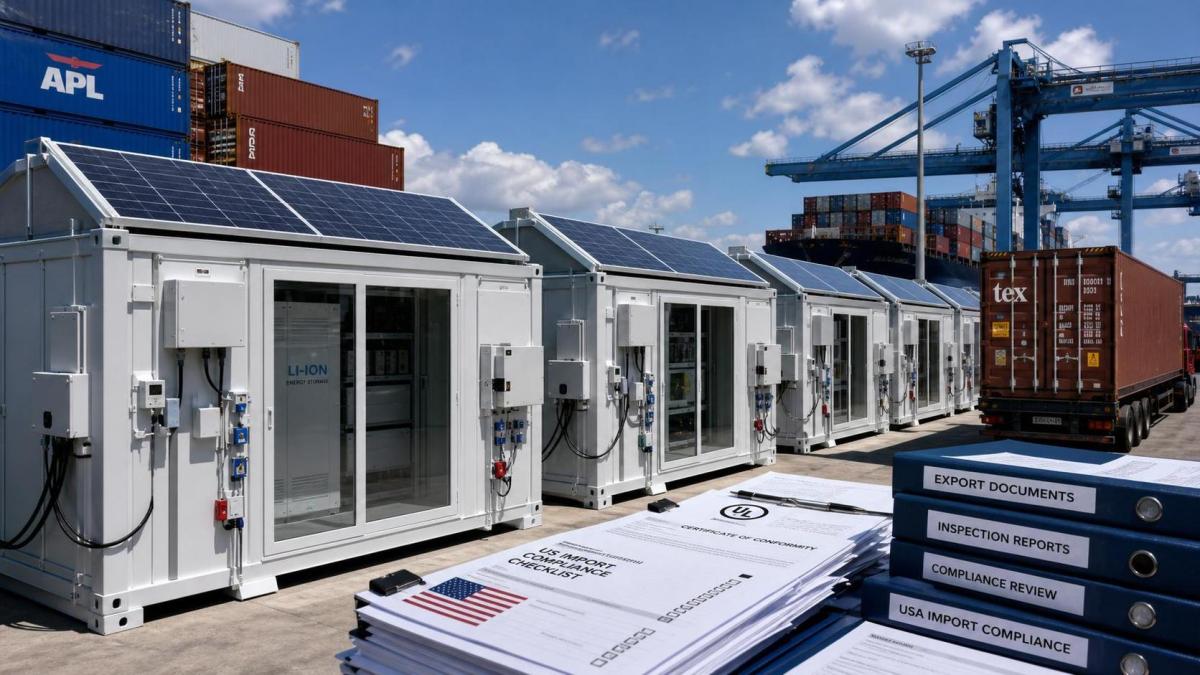
What the CBP Guidance Now Requires
CBP issued temporary enforcement guidance on July 12, 2026. From July 15, all finished structures imported into the United States under the category of modular building units, including container homes, must be accompanied by an FCC Declaration of Conformity (DoC) and a third-party UL 2200 test report if the products include electrical systems, batteries, or photovoltaic components. According to the information provided, shipments that do not include these materials may face customs clearance delays, return shipment, or fines.
Where the Immediate Pressure Will Be Felt
Exporters handling completed units to the U.S.
From an industry perspective, direct trade companies are likely to feel the impact first because they sit closest to customs filing and delivery commitment. The main pressure point is whether each shipment classified as a modular building unit is backed by the required compliance documents before departure or at the time of customs submission. What deserves closer attention is the added risk to delivery rhythm and contract execution when a product includes integrated electrical or energy-related components.
Manufacturers integrating electrical, battery, or PV systems
For processing and manufacturing companies, the issue is not limited to production itself but extends to product configuration and documentation readiness. Analysis shows that once a completed unit includes electrical systems, batteries, or photovoltaic components, compliance preparation becomes part of the export process rather than a separate downstream task. This can affect how factories coordinate testing materials, product files, and shipment release timing.
Logistics and customs service providers
Supply chain service providers may be affected because document completeness now has a more direct link to customs outcomes. Their exposure lies in booking coordination, customs declarations, and managing exceptions when supporting materials are incomplete or disputed. Observably, these service roles will need to pay closer attention to document matching between product type, declared category, and the technical content of the shipment.
U.S.-bound buyers and project procurement teams
Procurement parties and end-use project teams may also see operational effects, mainly through schedule uncertainty and the possibility of added compliance-related coordination. The key concern is not only whether a unit can be shipped, but whether all supporting materials are in place early enough to avoid delays, returns, or penalty-related disputes in cross-border delivery.
Practical Issues Companies Should Watch Now
Separate confirmed obligations from internal assumptions
Analysis shows that companies should first focus on the confirmed scope in the current guidance: finished modular building units imported into the U.S., including container homes, and specifically those containing electrical systems, batteries, or photovoltaic components. Teams should avoid making broader internal assumptions that go beyond the stated requirement until further official clarification is available.
Review document readiness before shipment milestones
What deserves closer attention is the timing of compliance preparation. Because the consequence of missing materials can be clearance delay, return shipment, or fines, exporters and manufacturers need to check whether FCC DoC and UL 2200 third-party test materials are aligned with each relevant shipment before customs-facing milestones are reached.
Recheck supplier and integration responsibilities
For companies relying on multiple suppliers or integrators, the practical question is which party is responsible for producing, holding, and submitting the required compliance documents. Observably, this is likely to become a coordination issue across procurement, engineering, export documentation, and customer communication rather than a single-team task.
Prepare for customer and schedule communication
From an operational standpoint, businesses serving the U.S. market should be ready to explain how the new requirement may affect lead times, release conditions, and shipment risk. The distinction between a product being physically complete and being document-ready may become more important in customer discussions and delivery planning.
Why This Looks Bigger Than a One-Off Filing Detail
This section is an editorial observation. It is more appropriate to understand this update as an immediate compliance change with possible longer-term signaling value, rather than as a fully settled policy trend. The guidance is already actionable because it sets a near-term filing expectation and identifies clear consequences for non-compliance. At the same time, the fact that it is described as temporary enforcement guidance means the market still needs to watch how consistently it is applied and whether the scope, wording, or supporting document expectations evolve.
Analysis shows that the most important takeaway is not simply that one more document is required. The stronger signal is that finished modular structures containing energy-related or electrical content are being examined through a tighter import compliance lens at the border. For exporters, especially those shipping from China to the U.S., this raises the importance of documentation control as part of product delivery itself.
How the Market Should Read This for Now
At this stage, the update is best treated as a live compliance requirement with immediate operational consequences, not as a routine customs note. The confirmed facts already point to potential delays, returns, and fines when required materials are missing, which is enough to affect shipment planning and contract execution. A neutral reading is that the rule creates short-term execution pressure while also signaling a need for closer ongoing monitoring of how modular building units with electrical, battery, or PV content are handled at U.S. import.
Basis of This Article and What Still Needs Verification
This article is based on the user-provided news title, event date, and event summary. For this type of development, relevant source categories would usually include official government notices, company disclosures, trade association updates, authoritative media reporting, and standard-related documents. No specific official source link was provided in the input, so the exact official publication path still needs to be continuously verified. Ongoing attention should focus on any further CBP wording updates, implementation details, and whether additional clarification emerges around affected product scope and supporting document expectations.
Need Us to
Contact You?
We received your message and will contact you as soon as possible.
Thank you for your visit.